
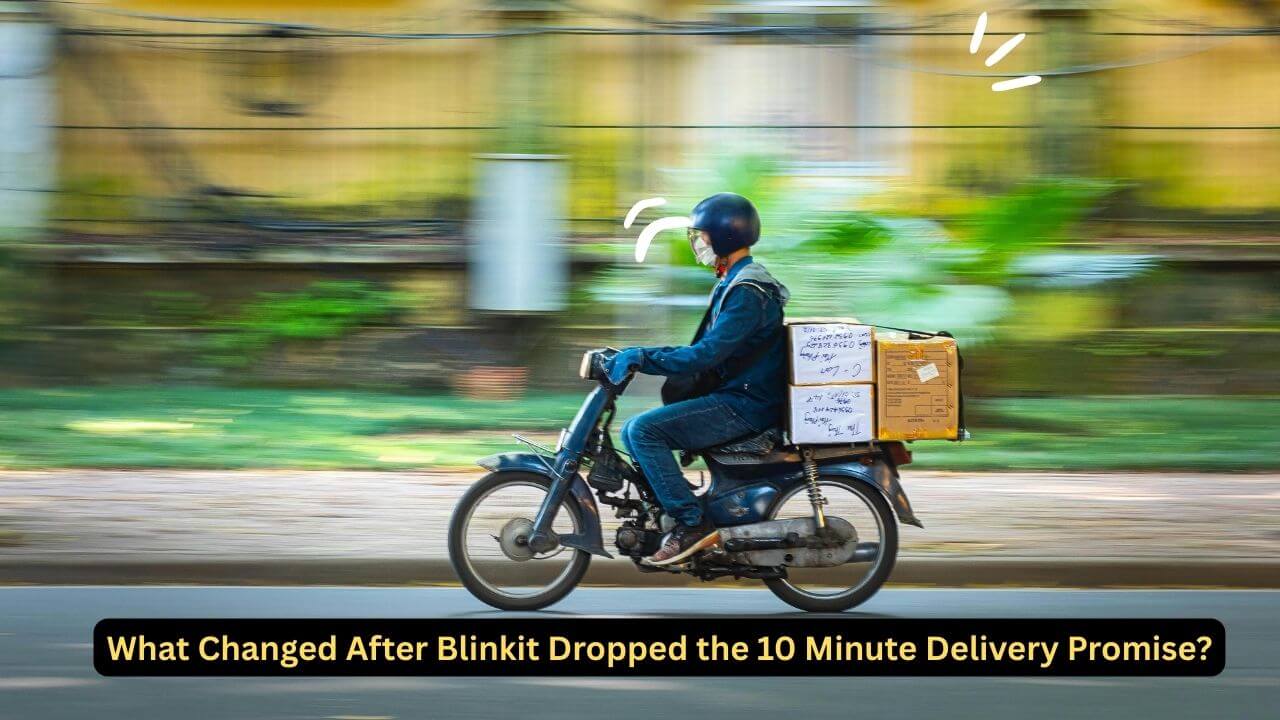
The 10 minute delivery speed may have made life easier for people, but it also made life difficult for delivery boys. However, after government intervention, companies have now removed this 10-minute delivery guarantee.
But this speed raised questions about the safety and health of delivery partners. After several rounds of discussions with Union Labor Minister Mansukh Mandaviya, the companies decided to They will no longer guarantee customers 10 minute delivery. The goal is cle10ar: to reduce workload and reduce road risks.
While customers receive their goods instantly at home, few people understand the hardships faced by the delivery boy running around on the streets. Now that the government has intervened, the true story of this high-speed model is coming to light.
How Many Percent of Apps Actually 10 Minute Delivery?
According to industry data, in the initial phase of quick commerce, only about 30 to 40 percent of the orders were completed within the stipulated 10 minute delivery. Other orders took 12 to 20 minutes or longer. This claim didn’t necessarily apply to every order, but marketing presented it as if every item would arrive within 10 minutes.
What Were the Top Apps and Companies?
The 10-minute delivery model was most aggressively adopted by Zepto and Blinkit. Blinkit, formerly known as Grofers, became a major player in the grocery race. Zepto quickly gained market share through micro warehouses, or dark stores. Swiggy Instamart and Dunzo Daily also boasted 10-20 minute deliveries. Flipkart Minutes also introduced ultra-fast delivery in some cities, but now all the platforms have changed their taglines and promises.
How Was 10 Minute Delivery?
The backbone of this entire system was dark stores. These small warehouses were built in the heart of the city to minimize the distance between customers and goods. As soon as an order is received in the app, the system selects the nearest store, the pre-arranged items are packed in 60 to 90 seconds and the rider is shown the shortest route. Technology and planning saved time, but the pressure on humans increased manifold.
What Was at Stake for the Delivery Boy?
Delivery partners were constantly under time pressure to meet the 10 minute delivery, often disregarding traffic rules, speeding, and taking risky routes. The delivery boy was always at risk of an accident. Furthermore, there was the added fear of being deducted for every complaint or delay, which added to the mental stress.
How much money does a delivery boy get?
According to a 2022-23 survey by an organization called PAIGAM, the daily income of 64 percent of delivery and taxi workers was between Rs 200 and Rs 600. More than 34 percent of the riders had said that after deducting the expenses of EMI, petrol and bike maintenance, not even Rs 10,000 is left in a month. Nearly half the riders are unable to take even a single leave in a month and despite riding 100 to 150 kilometres every day, they are unable to give time to their families.
What percentage of people tip delivery boys?
The statistics on tipping are even more shocking. According to industry reports, only 3 to 5 percent of customers in quick commerce and food delivery leave tips. This means only 1 in 25 customers does this. Due to the short delivery time and minimal interaction, people don’t consider it necessary, even though the rider’s effort is the same.
Latest Post:
What Is United States Immigration and Customs Enforcement (ICE)? Full Guide
Special Note
If you’re looking to expand your business’s online presence and reach more customers, we can help. We work to rapidly grow your business through digital marketing, SEO, and online growth strategies.
For more information, contact us: theearningengine1@gmail.com